Healthy hair can handle a lot, but it is not indestructible. Between hot tools, coloring appointments, tight hairstyles, and everyday exposure to the sun, your strands can take quite a beating. Understanding the source of damage is the first step toward better hair care.
Here are five common types of hair damage every woman should know.
1. Heat Damage
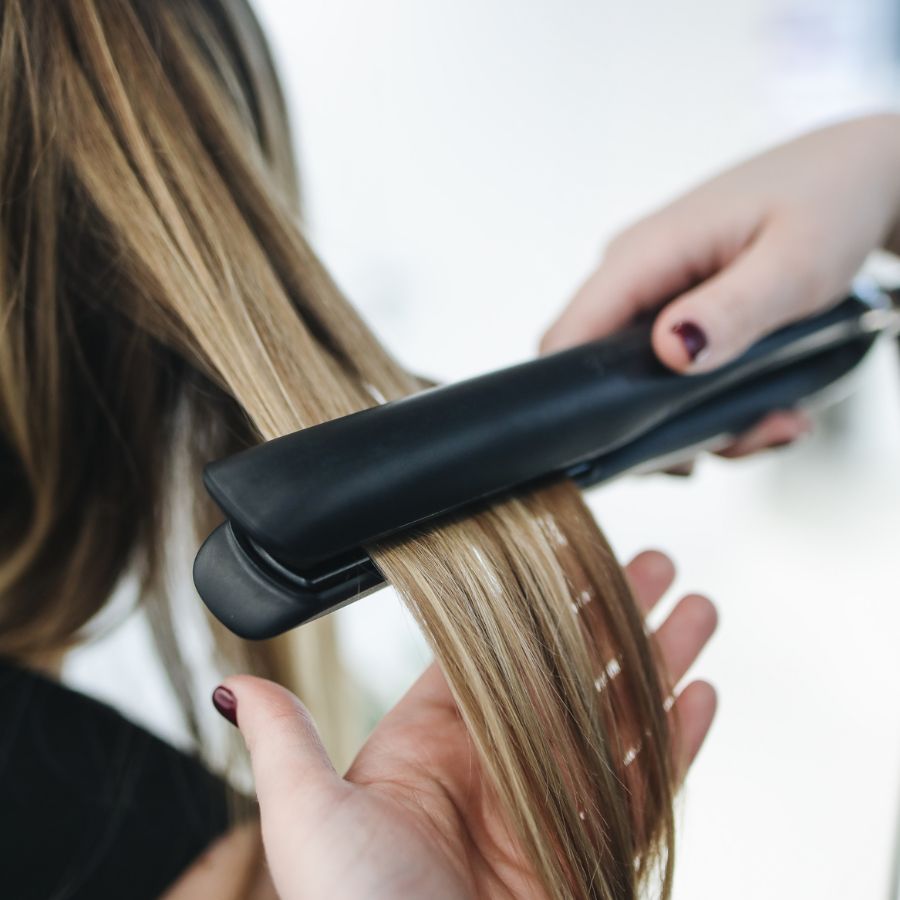
Your flat iron and curling wand may be your styling best friends, but excessive heat can weaken the hair shaft. Frequent blow-drying, straightening, and curling can contribute to dryness, roughness, breakage, and split ends. Research has found that increasing heat exposure can increase surface damage to the hair.
Use the lowest effective temperature, keep hot tools moving, and apply a heat-protective product before styling.
2. Chemical Damage
Bleaching, coloring, relaxing, perming, and chemical straightening can alter the structure of the hair. These services work by changing chemical bonds within the hair, which can reduce strength when performed too frequently or incorrectly.
This does not mean you have to give up your favorite color or treatment. Instead, work with a professional stylist and give your hair enough time between chemical services.
3. Mechanical Damage
Sometimes, the problem is not what you put on your hair but how you handle it. Aggressive brushing, rough towel drying, detangling, and constantly pulling or tugging can cause breakage. Wet hair is particularly vulnerable to physical stress.
Be gentle when detangling and consider using a wide-tooth comb. Your hair does not need 100 brush strokes a day.
4. Environmental Damage
Sun, wind, humidity, and pool chemicals can affect the hair’s outer structure. UV exposure can degrade hair proteins and pigments, potentially leaving strands drier, weaker, and rougher.
If you spend lots of time outdoors, consider a hat or hair products designed to provide protection.

5. Moisture and Overprocessing Damage
Hair that repeatedly loses moisture can become dry, brittle, and difficult to manage. Overwashing, excessive heat, chemical processing, and harsh handling can all contribute to this problem. Conditioner helps reduce friction and improve manageability.
The good news? Hair damage is often preventable. Treat your strands gently, reduce unnecessary heat and chemical stress, condition regularly, and schedule trims when your ends become noticeably damaged. Your hair may not be perfect every day, but with the right routine, it can look healthier, stronger, and much happier.


Leave a Reply