If you’ve ever noticed more hair in your brush or shower drain as the weather warms up, you’re not imagining things. Spring shedding is real, and it’s more common than most people think. The good news is that in most cases, it’s completely normal and temporary.
Let’s break down why it happens and what you can do about it.
Your Hair Has a Natural Growth Cycle
Hair doesn’t grow continuously. Instead, it moves through cycles: growth, rest, and shedding. During the resting phase, strands naturally fall out to make room for new ones. On average, losing 50 to 100 hairs a day is considered normal.
In spring, many people experience a slight increase in shedding. Some experts believe this is tied to seasonal shifts that affect your body’s rhythm. Think of it as a reset phase, similar to how animals shed their winter coats, just much more subtle.

Changes in Daylight and Hormones
As days get longer, your body adjusts to increased sunlight. This change can influence hormones like melatonin, which plays a role in regulating hair growth cycles. With more daylight, your body may push more hairs into the shedding phase at the same time, making the loss more noticeable.
It’s not something to panic about, but it can feel surprising if you’re not expecting it.
Winter Damage Shows Up Late
Spring shedding isn’t always about what’s happening right now. Sometimes it’s the result of what your hair went through during winter. According The Institute of Trichologists in the UK, cold air, indoor heating, and dry conditions can weaken strands, making them more likely to break or fall out later.
If your hair feels brittle or looks dull as spring begins, that leftover winter stress could be catching up with you.
Scalp Health Plays a Role
A healthy scalp is key to healthy hair. During winter, people often wash their hair less or use heavier products, which can lead to buildup. When spring arrives, your scalp may need time to rebalance, and that transition can contribute to temporary shedding.
Think of your scalp like soil. If it’s not in good condition, it affects how your hair grows.
Stress and Lifestyle Shifts
Seasonal changes often come with lifestyle shifts. Travel, schedule changes, or even adjusting to warmer weather can affect your stress levels. Stress is a known factor in hair shedding, and it doesn’t always show up immediately. Hair loss linked to stress can appear a few months after the trigger.
So if your spring has been busy or overwhelming, your hair might be reflecting that.
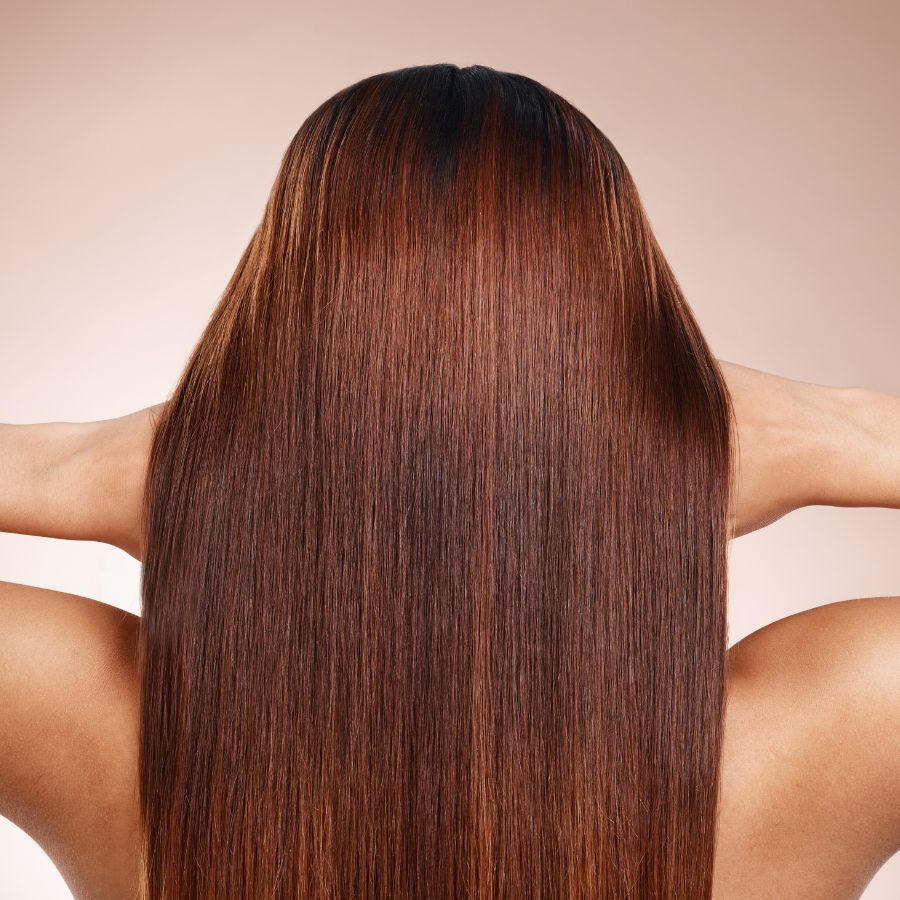
What You Can Do to Support Your Hair
The goal isn’t to stop shedding completely, because some shedding is normal. Instead, focus on keeping your hair and scalp healthy.
Use a gentle, hydrating shampoo and avoid over-washing. Add a lightweight conditioner to keep strands smooth without weighing them down. Regular trims help prevent breakage from traveling up the hair shaft.
Nutrition also matters. Make sure you’re getting enough protein, iron, and vitamins, as these support hair growth from within. Staying hydrated can also improve how your hair looks and feels.
If you notice excessive shedding that lasts longer than a couple of months, or if you see thinning patches, it’s worth checking in with a healthcare professional.
Spring shedding might feel frustrating, but in most cases, it’s just your body doing its thing. With the right care, your hair will bounce back, often stronger and healthier than before.


Leave a comment