If your hair feels dry, brittle, or just not like itself lately, you’re not alone. Between heat styling, coloring, and everyday wear and tear, damage can sneak up fast. The good news is you can absolutely improve the look and feel of your hair with the right approach.
Let’s talk about what actually works, without overcomplicating things.
First, Know What You’re Dealing With
Damaged hair usually shows up as split ends, frizz, dullness, and breakage. You might notice your hair tangles more easily or doesn’t hold style like it used to.
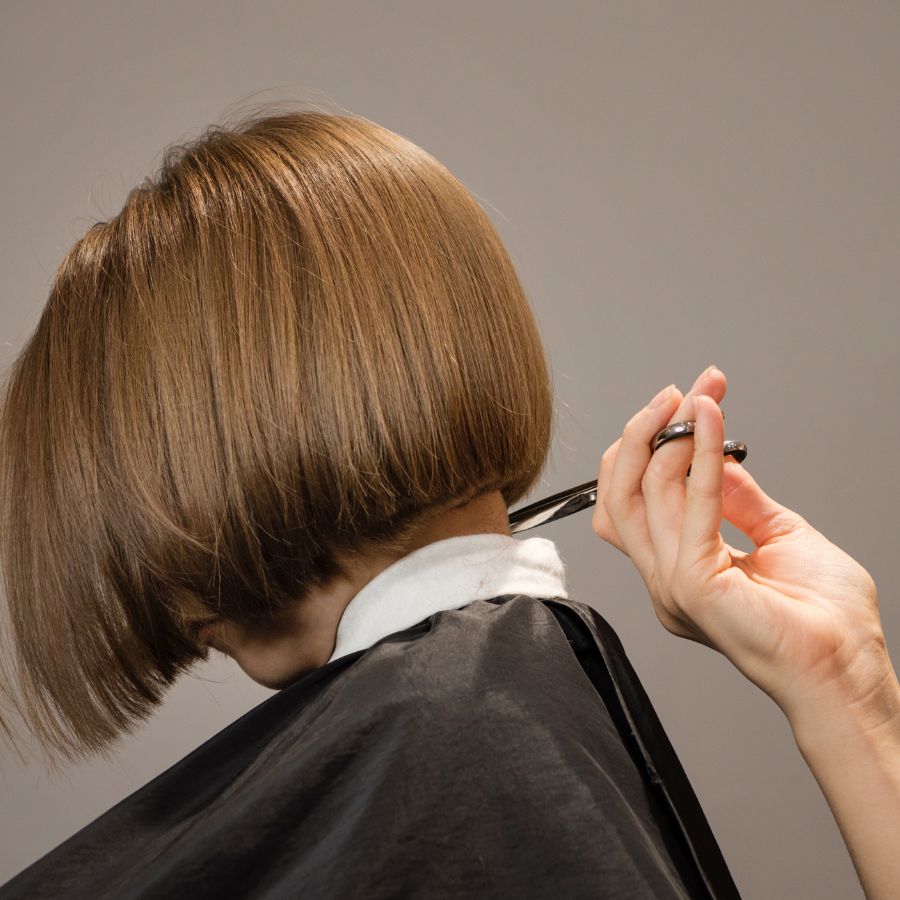
Once hair is physically split or broken, it can’t fully repair itself. That’s why trimming is always step one. It may not be the most exciting fix, but removing damaged ends instantly makes your hair look healthier and prevents further splitting.
Hydration Is Everything
One of the biggest issues with damaged hair is moisture loss. When your hair is dry, it becomes weak and more likely to break.
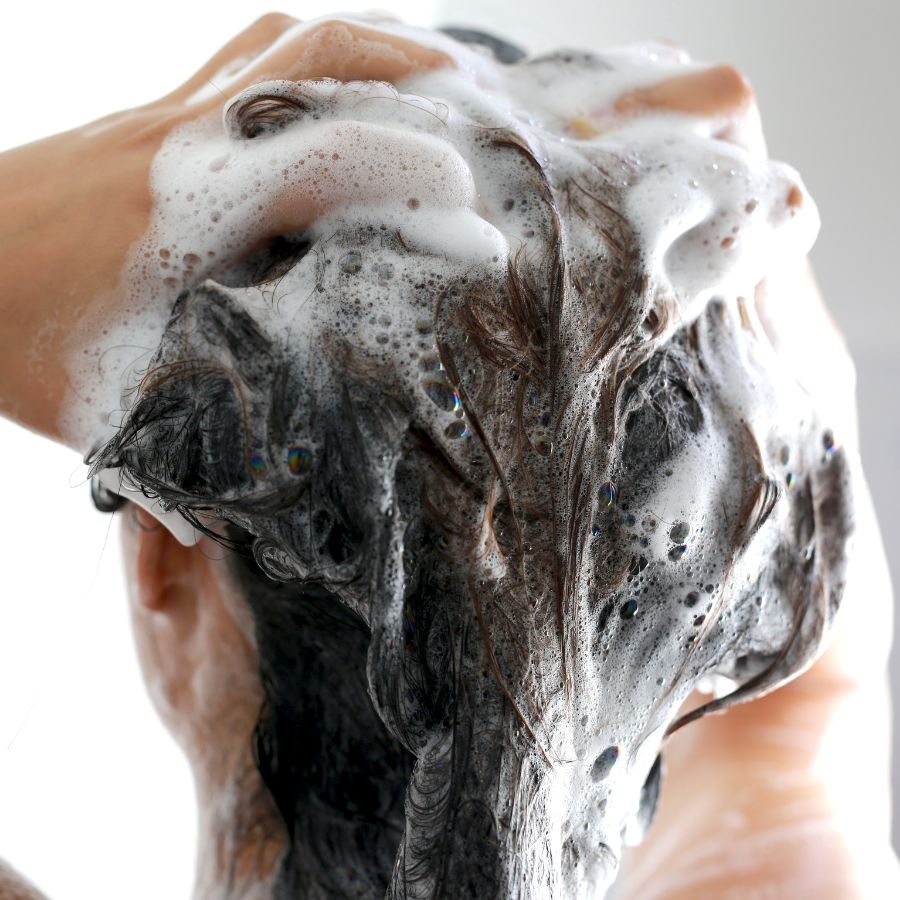
Start with a hydrating shampoo and conditioner. Look for ingredients like argan oil, shea butter, or glycerin. These help restore softness and flexibility.
Deep conditioning treatments should be part of your weekly routine. Even just once a week can make a noticeable difference. Apply it mid-length to ends, leave it on for at least 10 to 15 minutes, and let it do its job.
Cut Back on Heat Styling
Heat tools are one of the fastest ways to damage hair. Flat irons, curling wands, and blow dryers can strip moisture and weaken your strands over time.
You don’t have to give them up completely, but it helps to use them less often. When you do use heat, always apply a heat protectant first. This creates a barrier that reduces damage.
Also, try lowering the temperature. You don’t always need the highest setting to get results.
Be Gentle with Your Hair
Small habits can make a big difference. Rough towel-drying, aggressive brushing, and tight hairstyles all contribute to damage.
Switch to a microfiber towel or even a cotton T-shirt to dry your hair more gently. Use a wide-tooth comb or a detangling brush, starting from the ends and working your way up.
Loose styles like braids or buns are better than tight ponytails that pull on your roots.
Add Strength with Protein (But Don’t Overdo It)
If your hair feels stretchy or overly soft when wet, it may need protein. Protein treatments help rebuild the structure of your hair and add strength.
However, balance is key. Too much protein can make hair feel stiff and dry. Try using a protein treatment once every few weeks and see how your hair responds.
Protect Your Hair While You Sleep
Nighttime care is often overlooked, but it matters. Cotton pillowcases can create friction and lead to breakage.
Switching to a silk or satin pillowcase helps reduce friction and keeps your hair smoother. You can also loosely braid your hair or tie it in a soft bun to prevent tangling.
Be Patient and Consistent
Fixing damaged hair doesn’t happen overnight. It takes consistent care and a bit of patience. The goal is to protect new growth while improving the condition of your existing hair.
Focus on hydration, gentle handling, and regular trims. Over time, your hair will start to feel softer, stronger, and much easier to manage.
Healthy hair is about building habits that support your hair every day. Once you do that, the results follow naturally.
 Aveda Theory Hair Salon
Leave a comment