Ombre hair has been one of the most popular hair color trends for years, and it is easy to see why. The gradual fade from darker roots to lighter ends creates a natural, sun-kissed look that feels stylish but still low maintenance. If you have ever considered trying ombre hair, you probably have a few questions first.
This guide answers the most common questions women ask about ombre hair so you can decide if it is the right choice for you.
What Exactly Is Ombre Hair?
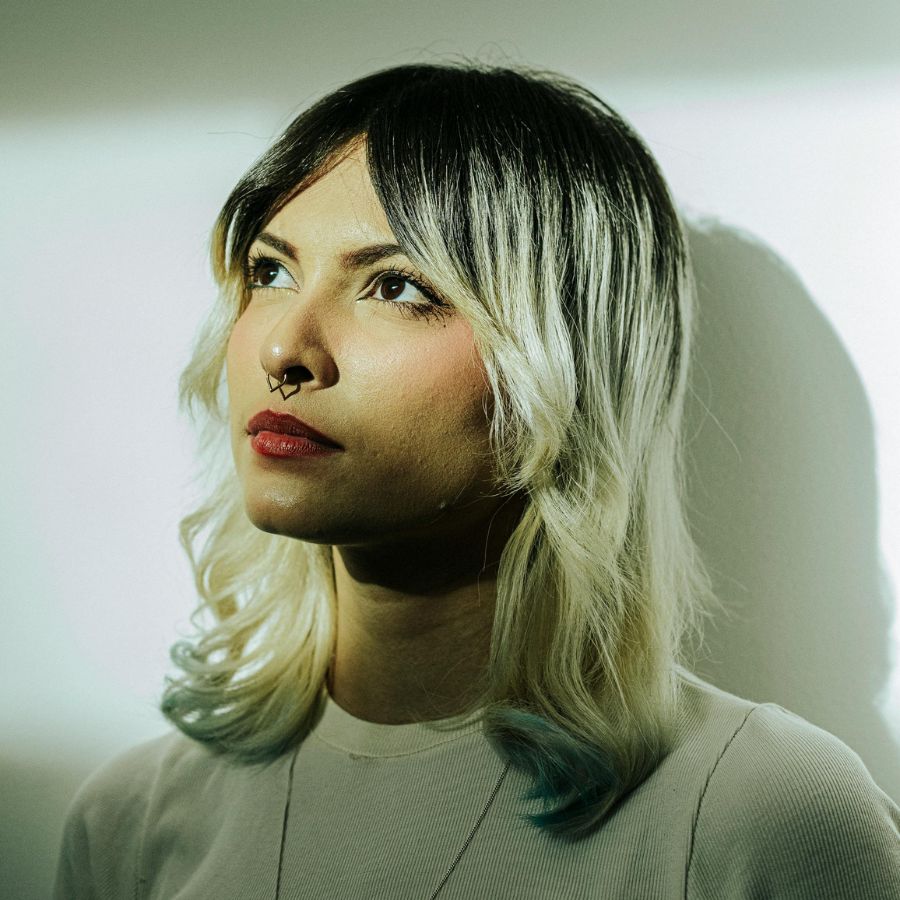
Ombre hair is a coloring technique where the hair gradually transitions from a darker shade at the roots to a lighter shade at the ends. The change in color is soft and blended rather than sharp or striped.
The word “ombre” comes from the French term meaning “shaded,” which perfectly describes the smooth color fade.
Many celebrities helped popularize this style, including Drew Barrymore, who wore soft blonde ombre for years.

How Is Ombre Different from Balayage?
People often confuse ombre and balayage, but they are slightly different techniques.
Ombre focuses on a noticeable color transition from dark to light. The ends are typically much lighter than the roots.
Balayage, on the other hand, is a highlighting method where color is painted onto sections of hair to create soft, natural dimension.
Both techniques can look beautiful, but ombre usually creates a more dramatic gradient effect.
Is Ombre Hair High Maintenance?
One reason ombre hair remains popular is because it grows out naturally. Since the roots stay darker, you do not have to worry about visible root lines as quickly as you would with traditional highlights.
Many clients can go three to four months between touch-ups. However, maintaining healthy ends is still important because the lighter sections of hair need extra care.

Does Ombre Work on All Hair Types?
Yes, ombre can work on almost every hair type and length. It looks especially striking on medium to long hair because the color transition has more space to blend smoothly.
However, skilled stylists can also create beautiful ombre effects on shorter cuts.
Celebrities like Jessica Alba have worn different versions of ombre that complement both layered and long hairstyles.

Will Ombre Damage My Hair?
Any lightening process can affect the hair if it is not done properly. That is why it is important to visit a professional stylist who understands how to protect the hair during the coloring process.
The good news is that ombre typically focuses on the mid-lengths and ends, leaving the roots untouched. This often makes it gentler than full-color bleaching.
Using moisturizing shampoos, conditioners, and hair masks can also keep your hair healthy after the service.
How Do You Maintain Ombre Hair?
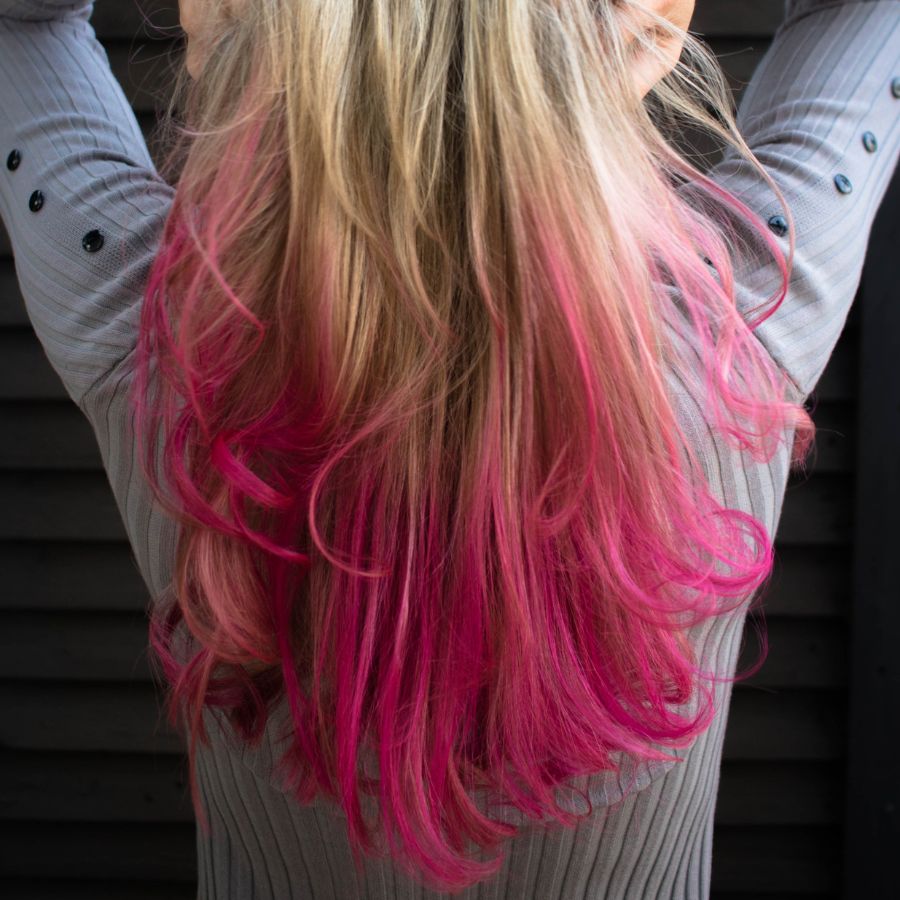
Maintaining ombre hair mostly involves keeping the ends hydrated and protecting the color. Using sulfate-free shampoo, conditioning treatments, and heat protectant products can help preserve both the tone and the shine.
Some women also schedule gloss treatments every few weeks to refresh the color and reduce brassiness.
Is Ombre Still in Style?
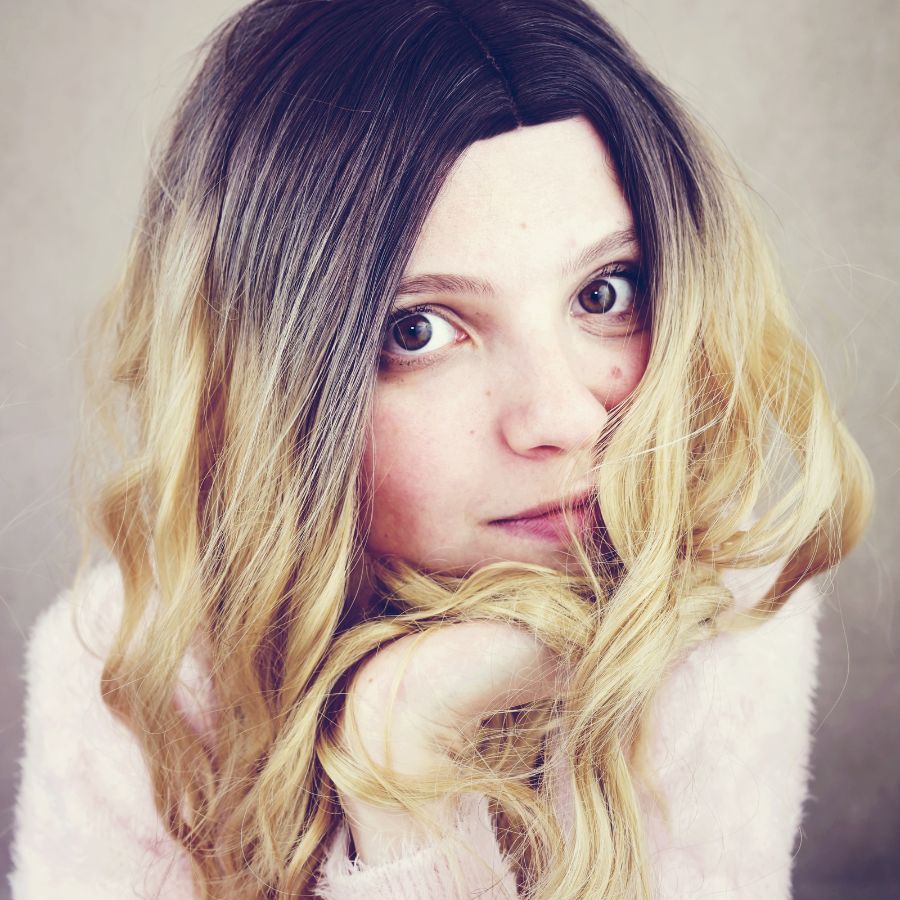
Yes, ombre continues to evolve with modern variations. Today’s versions often feature softer blends, natural tones, and customized color combinations that match a person’s skin tone and natural hair color.
The trend has lasted because it offers the perfect balance between style and convenience.
Ombre hair remains a favorite for women who want a stylish color change without constant salon visits. With its soft transition and natural appearance, it creates depth, brightness, and movement in the hair.
If you are considering trying ombre, talk with your stylist about the shades that will best complement your hair color and skin tone. The right ombre can give your hair a fresh, modern look that still feels effortless.
 Aveda Theory Hair Salon
Leave a comment