There’s something undeniably magical about long hair that fades softly into a lighter tone at the ends. That’s the power of ombré and when done right on long hair, it gives vibrancy, depth, and movement without sacrificing the length you love.
Whether your hair is past your shoulders or flowing down your back, here’s everything a queen of long locks should know before booking that color appointment.

What Is Ombre?
The term ombre means “shaded” in French. Hair that starts darker at the roots and gradually lightens toward the ends. Unlike traditional all-over color, ombré gives you dimension and softness with a smooth transition rather than harsh contrast.
For long hair, ombré has extra advantages:
- More “canvas”: With length, colorists have room to create deeper fades, subtle blends, or even darker-to-lighter-to-darker effects (if you like variation).
- Low-maintenance regrowth: Your natural roots stay intact, so you won’t see a stark line as your hair grows.
- Movement and light play: When long hair moves, the transition shows beautifully. Waves, curls, or straight, the ombré becomes dynamic.
Styles & Variations That Shine on Long Hair
Here are some ombré styles that photograph beautifully on long locks:
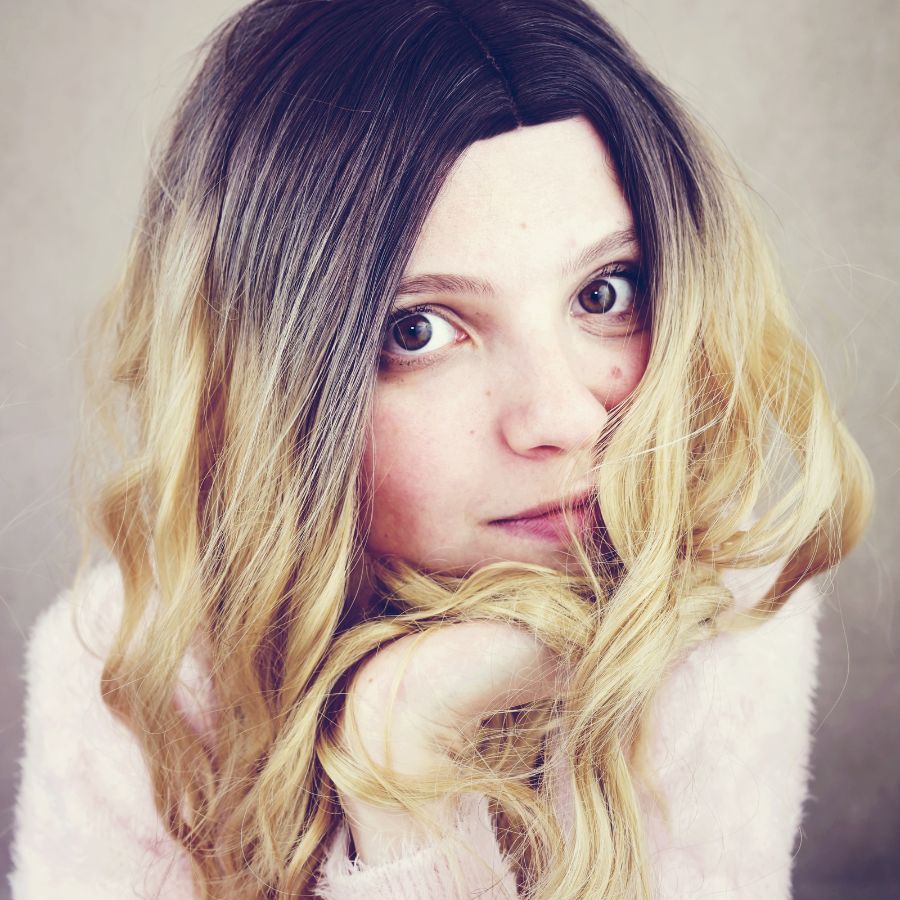
- Soft / Subtle Ombre (Sombre): The gradient is gentle, with only a few shades’ difference from root to tip. It feels natural and grown-in.
- Classic Ombre: A clear fade from base color to lighter tip. This is the iconic “dark-to-light” look many people think of first.
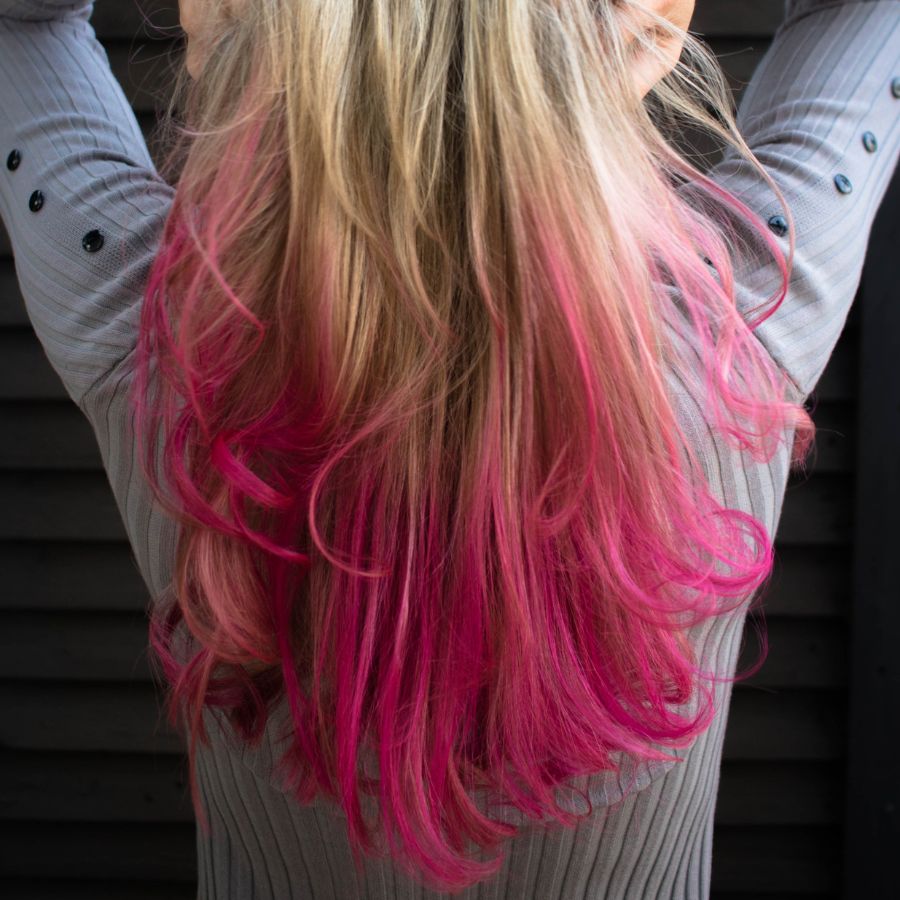
- Reverse Ombre: Also called “dark ends, light roots,” this variation is edgier and more fashion-forward.
- Face-Framing Ombre: Focuses the lighter tones around the face and front strands, ensuring your features get highlighted. Great when you want dimension without a full fade.
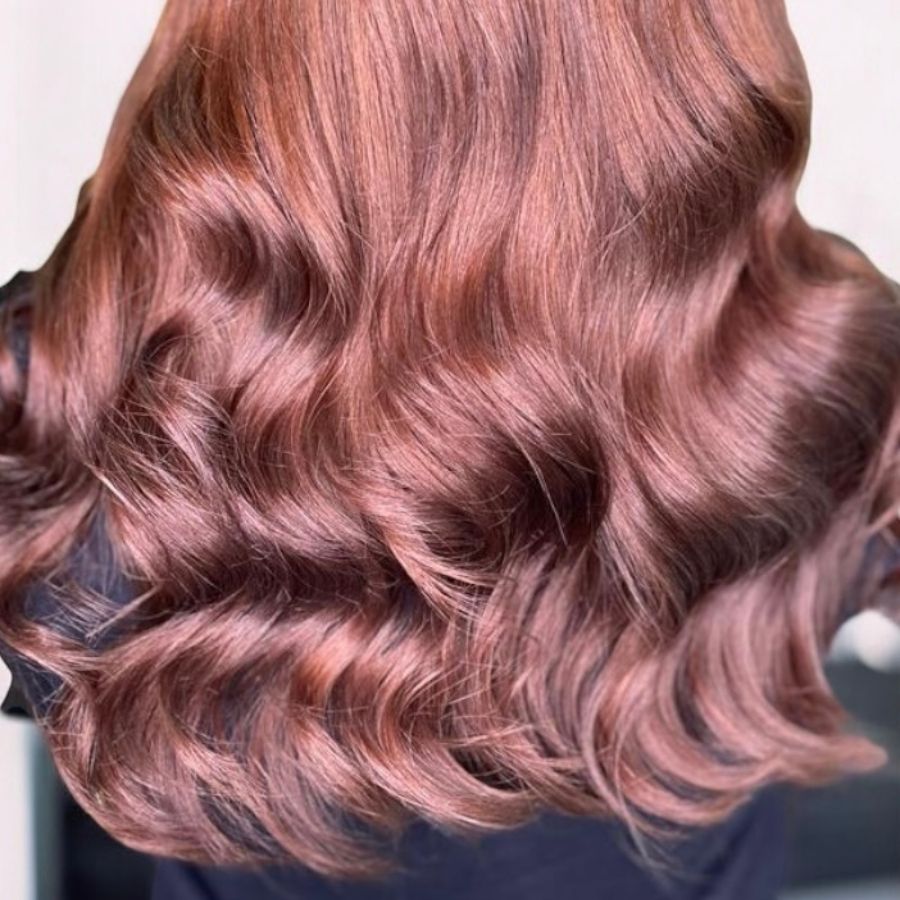
- Multi-Tonal Ombre / Color Melt: Rather than just two tones, stylists blend several shades (for example, darker roots, mid-tones in the middle, and bright ends) for a more natural, painterly effect.
These variations let you fine-tune how drastic or gentle the look is, based on your style, hair condition, and maintenance preferences.
How to Choose the Right Ombre for You
Here are factors to consider:
| Factor | Questions / Considerations |
| Skin tone & undertone | Do warm, cool, or neutral shades flatter you? For example, warm caramel or ash blonde? |
| Natural hair color / depth | How dark or light is your base? If your base is dark, very light tips may need more bleaching sessions. |
| Hair health | Damaged or porous hair needs reinforcement (bond treatments) to survive bleaching. |
| Maintenance level | Do you want “set it and forget it” or are you okay revisiting the salon for toning? |
| Contrast preference | Do you want dramatic (many shades difference) or subtle (just a few steps)? |
Pros & Challenges You Should Know
Why hair stylists often recommend ombré for long hair:
- Lower root-upkeep—your growth stays dark and natural looking.
- Adds visual depth and movement.
- Offers flexibility: you can go subtle or bold.
- You preserve more of your hair’s integrity (less overall processing).
What to watch out for:
- Bleaching ends can cause dryness or breakage if hair is weak.
- If contrast is too drastic, maintenance can feel heavy.
- Uneven fading over time if not tonally balanced.
- In very fine hair, heavy lightening can thin ends further.
Ombre on long hair is a canvas for self-expression. When done thoughtfully, it blends art and hair science. Whether you opt for subtle sombre tones or a bold fade, the key is balance: knowing how much contrast your hair can handle, and how to nourish it.


Leave a comment