We have all been there. Your hair suddenly feels off. It looks dull. It tangles more than usual. It refuses to cooperate no matter how much product you use. Truth is, damaged hair rarely happens overnight. It builds up slowly through heat styling, coloring, tight hairstyles, sun exposure, and even rough brushing.
The good news is this. Once you know the signs of damaged hair, you can take steps to fix it before it gets worse.
1. Split Ends That Keep Traveling
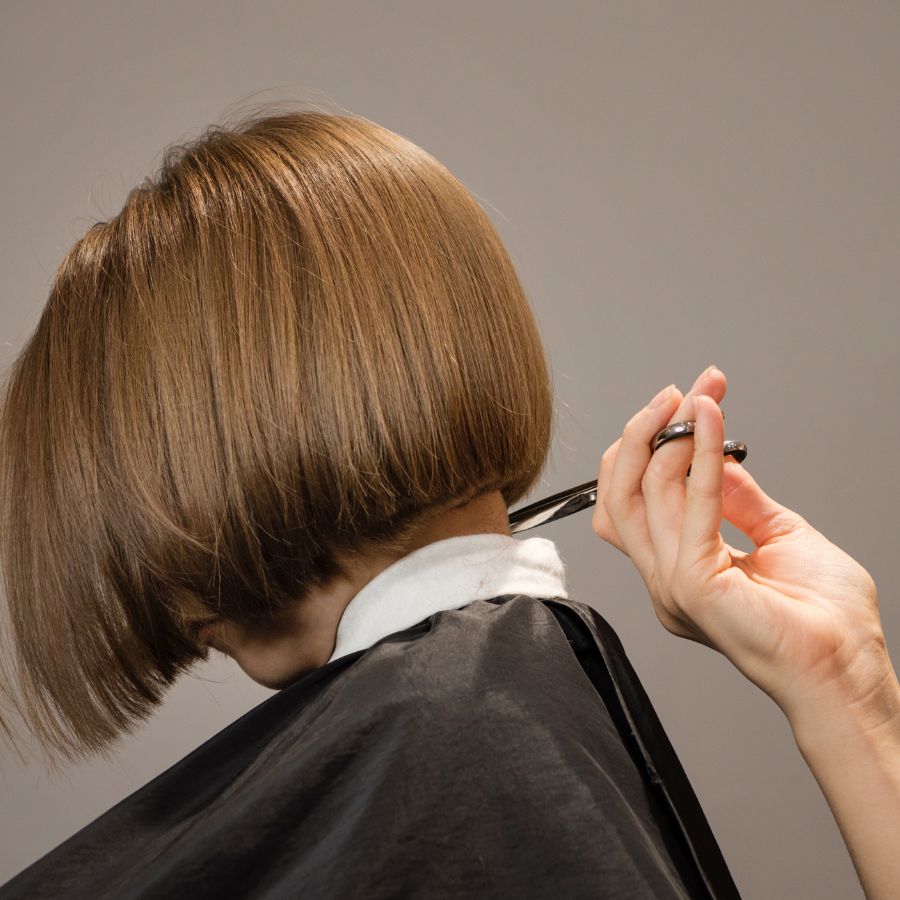
Split ends are one of the most obvious signs of damage. You might notice the ends of your hair splitting into two or even three strands. If left untrimmed, those splits travel upward along the hair shaft, leading to breakage and thinning.
If your ends look frayed or feel rough no matter how much conditioner you use, it is time for a trim.
2. Excessive Breakage
Finding short pieces of hair on your bathroom counter or in your brush? That is breakage, not normal shedding. Shedding happens from the root and includes a small white bulb at the end. Breakage happens along the strand and often results in uneven lengths.
Overusing hot tools, bleaching, and tight ponytails are common causes.
3. Dry, Straw-Like Texture
Healthy hair feels smooth and flexible. Damaged hair feels dry, stiff, and rough to the touch. Even after conditioning, it may not feel soft. This happens when the outer layer of the hair, called the cuticle, becomes lifted or worn down.
When the cuticle is compromised, moisture escapes easily. That is why damaged hair often feels both dry and brittle.
4. Lack of Shine
Shiny hair reflects light because the cuticle lies flat. When hair is damaged, the surface becomes uneven. Instead of reflecting light, it scatters it. The result is dull, tired-looking hair.
If your hair looks lifeless even when freshly washed and styled, damage may be the cause.
5. Tangles and Knots
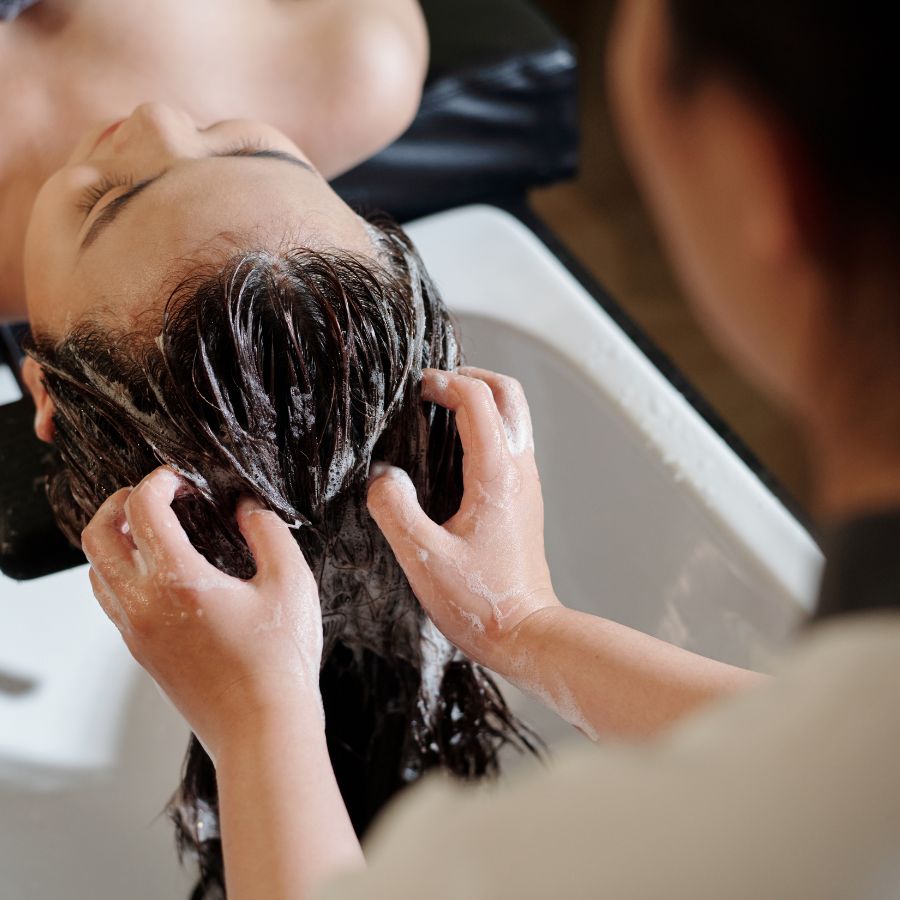
Does your hair knot up easily, especially at the ends? That is another red flag. Raised cuticles cause strands to catch onto each other, creating tangles.
Frequent detangling can then lead to more breakage, creating a frustrating cycle.
6. Faded or Uneven Color
Color-treated hair that fades quickly or turns brassy may be overly porous. Damaged hair struggles to hold onto pigment, which leads to uneven or washed-out color.
If your expensive salon color seems to disappear too fast, damage may be part of the problem.
How to Start Repairing It
First, reduce heat styling and always use a heat protectant. Deep condition once a week with products designed for repair. Look for ingredients like proteins and nourishing oils. Trim regularly to prevent splits from spreading.
Most importantly, be gentle. Use a wide-tooth comb on wet hair and avoid aggressive towel drying.
Damaged hair is common, but it is not permanent if you act early. With consistent care and smart habits, you can bring back softness, strength, and shine. Your hair may not bounce back overnight, but with patience, it will recover.
 Aveda Theory Hair Salon
Leave a comment