When you sit in the stylist’s chair and whisper, “I want something new,” behind that request is a whole mix of hopes, fears, and possibilities. Choosing a new hairstyle should feel exciting, not stressful.
As a professional hairstylist, I’ve helped hundreds of women find that “right next” cut or style. Here’s a fun, guide to help you land on a look you’ll love wearing every day.
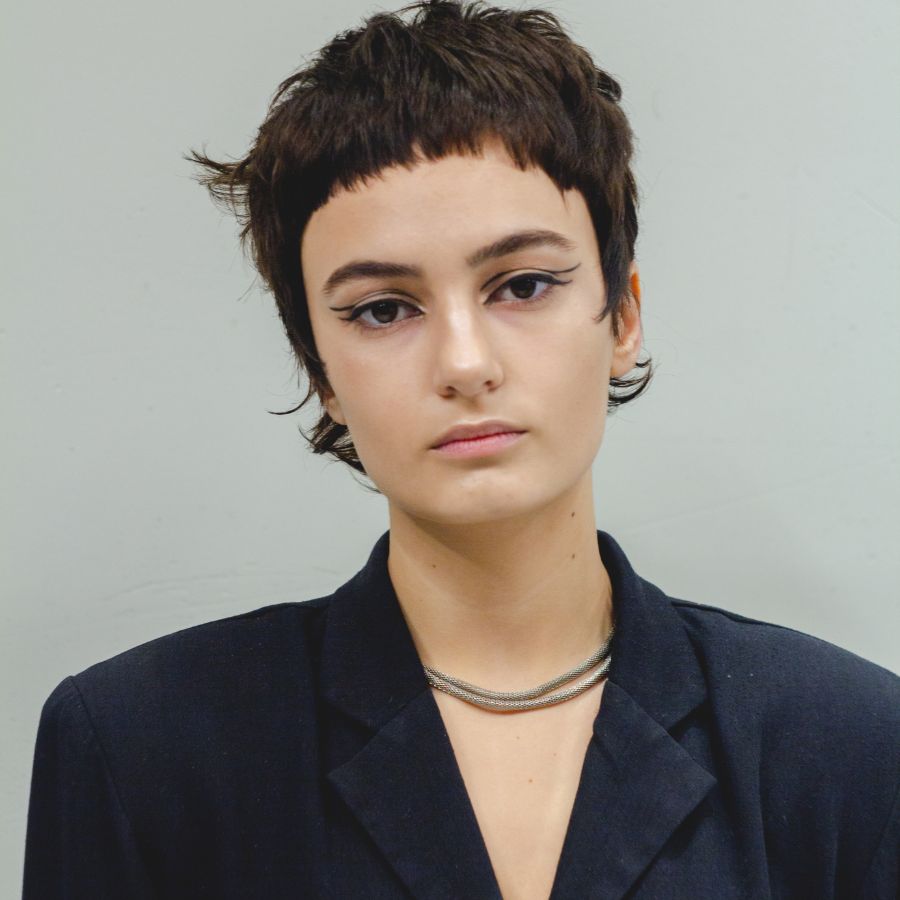
Step 1: Start with You
Before flipping through salon magazines or pinning every look on Instagram, pause and ask yourself:
- What do I actually hate / want to change about my hair now? (Too flat? Lacking shape? Hard to manage?)
- How much time do I want to spend styling daily? A dramatic cut with a lot of maintenance isn’t ideal if you’re always rushed.
- What’s my hairstyle goal? Freshen up, bold change, low-maintenance, or something in between.
- What’s my hair texture, density, and condition? Fine, thick, curly, damaged–these all affect how a cut will work in reality.
These reflections help you filter style ideas into ones that are realistic for you, not just pretty pictures.

Step 2: Know Your Face Shape and Features
Face shape is a helpful guide. Stylists often use it to suggest cuts that frame your best features. According to experts, face shapes like round, square, heart, diamond, oval, and oblong each respond differently to angles, bangs, and length.
Here are some pointers:
- Round faces do well with longer lengths, side parts, and layers that add height.
- Square faces soften with layers, waves, or face-framing texture (so the strong jawline isn’t over-emphasized).
- Heart / inverted triangle faces benefit from volume at the chin level or side bangs to balance a broader forehead.
- Diamond faces can rock shorter cuts or layers that soften the cheekbones.
- Oval faces are lucky. This shape tends to suit many lengths and styles.
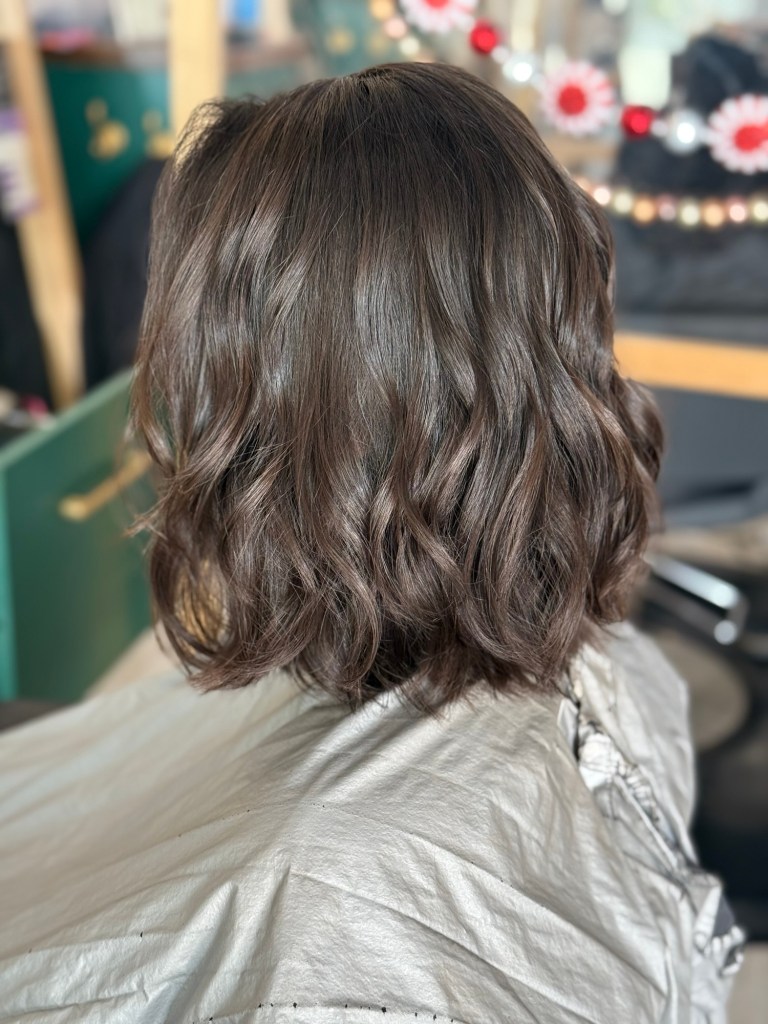
Step 3: Gather Visuals and Be Specific
You know that surge of excitement when you see a hair photo and think, “Yes, that.” Bring that image to your stylist. But don’t just stop there, consider:
- Angles. The photo is shot in a flattering light. Ask how that cut would behave in your hair texture from different angles.
- Length. Note how far the cut is from the face, where it lands on the shoulders or neck.
- Texture. Is it sleek or tousled? Straight or wavy?
- Color / highlights / shadows. These make a big difference in how the cut feels overall.
When speaking with your stylist, say things like: “I love how the layers flow around the face in this photo, but I want something easier to style on weeknights.” That helps turn inspiration into a workable plan.

Step 4: Pick a “Bridge Style” You Can Live In
A bridge style is a halfway point between your current cut and your dream look. Why it helps:
- It reduces shock. If you go too dramatic all at once, you may regret it.
- It allows you to test elements (layers, bangs, texture) before committing.
- It gives your hair time to adjust (in terms of behavior, growth, texture).
So if you currently have long hair and you’re itching for a bob, ask for a long bob (lob) with face framing first. Or if you’ve got no bangs and want bold ones, try softer curtain bangs as your first move.
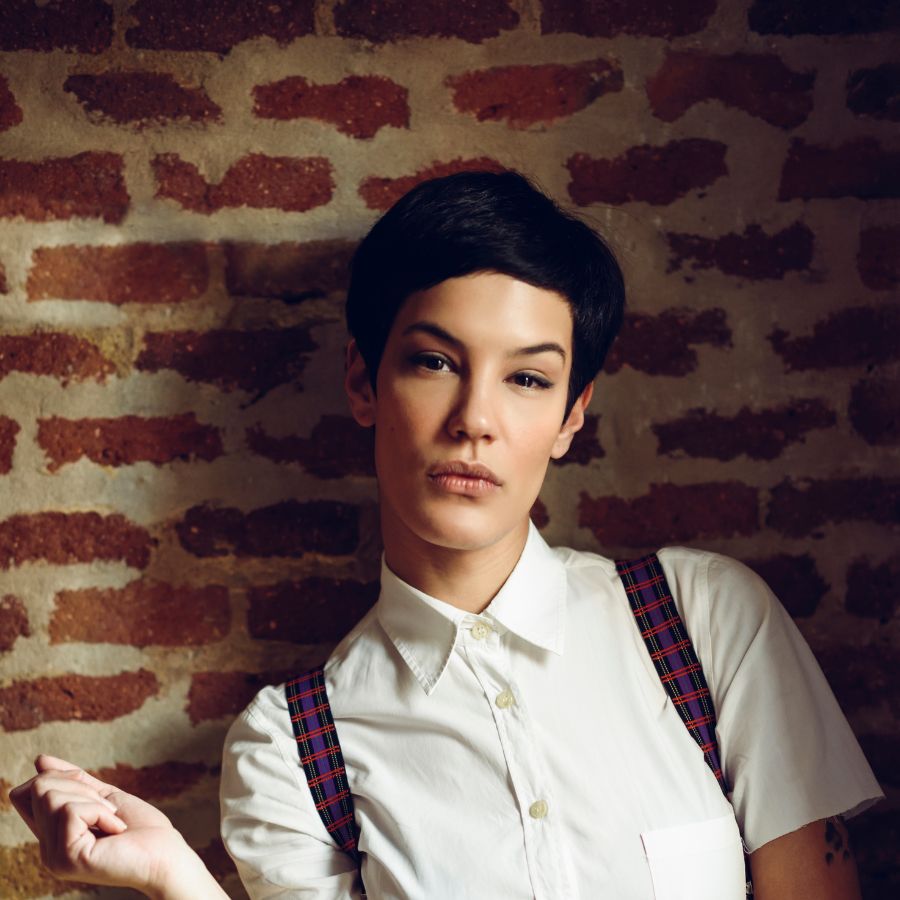
Step 5: Match Cut Style to Lifestyle and Maintenance
You’ll regret a haircut that looks stunning in the salon but is a beast to manage daily. So check:
- Styling time. Do you like to blow-dry, flat-iron, curl, or let hair air-dry?
- Product tolerance. Are you okay using mousse, creams, or gels daily?
- Salon visits. How often do you want to go back for trims, shampoos, or color upkeep?
- Climate. If you live where it’s humid, will the cut hold shape or frizz out?
- Consistency. Pick something you can maintain even on off days.
If you won’t style it most days, go with texture over precision. Layers, waves, and soft edges tend to hide “worn” hair better than rigid, angular cuts.

Step 6: Ask Smart Questions in the Chair
When you sit down with your stylist, these are powerful questions:
- “If we try this, how will it fall in 2 weeks or 2 months?”
- “Which parts of this cut will grow out awkwardly?”
- “What adjustments would make it easier for my hair texture?”
- “Can we soften this line or add a little face-framing there?”
Also make sure your stylist knows what you don’t want as much as what you do want. That helps them avoid “creative surprises.”

Step 7: Be Prepared for the “Get Used To” Phase
Any new hairstyle takes time to settle in. During the first few days or weeks, you might:
- Feel self-conscious about length or shape
- Need extra styling effort or adjustment
- Notice unexpected behavior in certain angles
Don’t panic. Give it time. Also talk to your stylist about small tweaks you can make (like part changes, product shifts, minor trims) to ease the transition.
Choosing a new hairstyle isn’t a one-shot decision. It’s the start of a conversation between your hair, your lifestyle, and your stylist. Use the steps above to filter your options, bring in clarity, and feel confident stepping into bold (or subtle) change.
 Aveda Theory Hair Salon
Leave a comment