Balayage is more than just a paint job, it’s a mood, a vibe, and a way to highlight your natural features. But choosing the wrong shade can leave you looking washed out or mismatched. Here’s a guide that helps you pick a balayage shade that flatters your skin tone, enhances your beauty, and keeps things playful.
1. Know Your Skin Undertone
Understanding your undertone is the first step to picking a balayage shade that works effortlessly with your complexion. Here’s a fun way to determine yours:
- Warm undertone: Your veins look greenish, and gold jewelry flatters you more than silver.
- Cool undertone: Your veins appear blue or purple; silver suits you best.
- Neutral undertone: Both gold and silver look good on you and your veins aren’t clearly blue or green.
Once you’ve figured out your undertone, the shade game becomes much easier.
2. Shade Selection by Undertone
| Undertone | Best Balayage Shades | Why It Works |
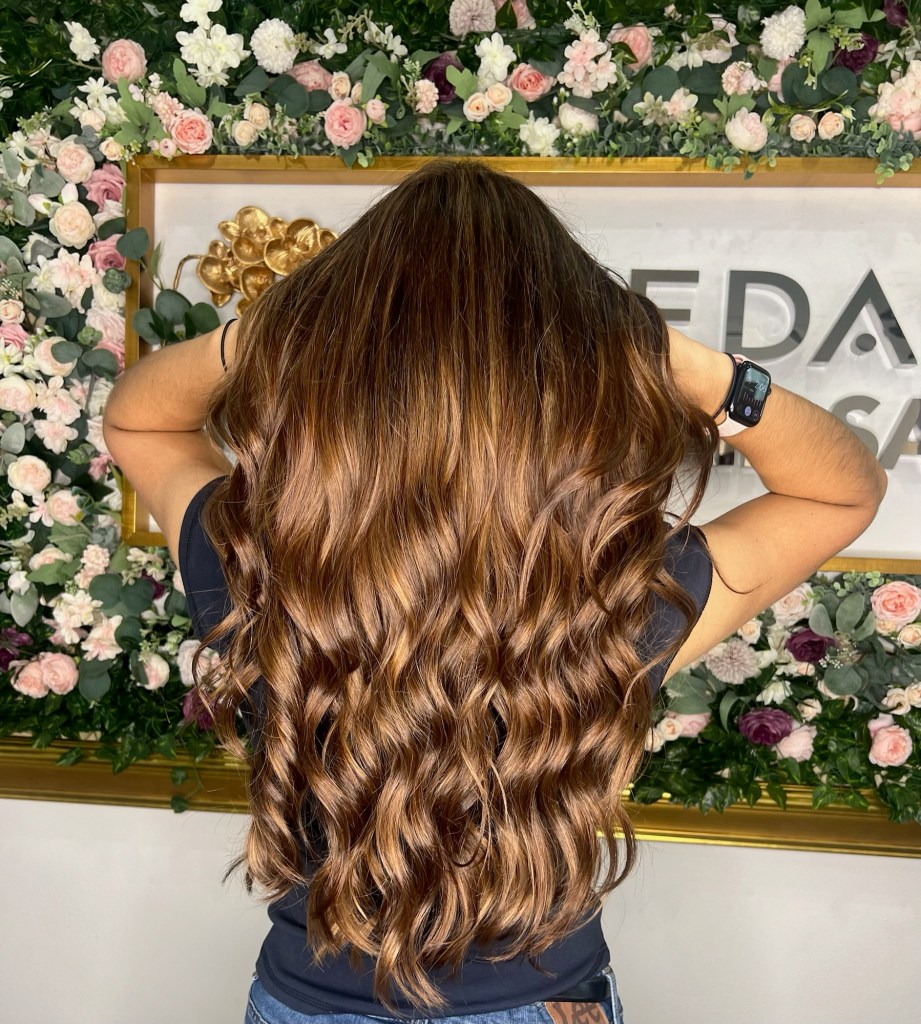
| Warm (yellow, peachy) | Honey blonde, caramel, golden, butterscotch, warm chestnut | These shades enhance natural warmth and glow. |
| Cool (pink, bluish) | Ashy blonde, ash brown, platinum, beige blonde, cool mocha, silver tones | They create balance, contrast, and sophistication. |
| Neutral (balanced) | Beige blonde, latte, muted toffee, chocolate brown, caramel highlights | You can blend warm and cool shades for a versatile, harmonious look. |
3. Match Shade Tone to Base Hair & Style Goals
Your natural hair color and lifestyle factor into the shade that’ll work most smoothly:
- Light hair base: Easier to achieve soft, subtle changes with lighter highlights.
- Dark hair base: You may prefer deeper caramel or chocolate shades or pre-lighten your hair before adding lighter tones.
- Bold contrast vs. soft blend: Decide if you want dramatic ends or a natural sun-kissed fade, then choose tones a few shades away from your base for subtle contrast or go further for bold impact.
4. Customizing the Placement
Shade is only one side of the equation, where your highlights land changes everything:
- Face-framing pieces brighten your features and draw attention to your face.
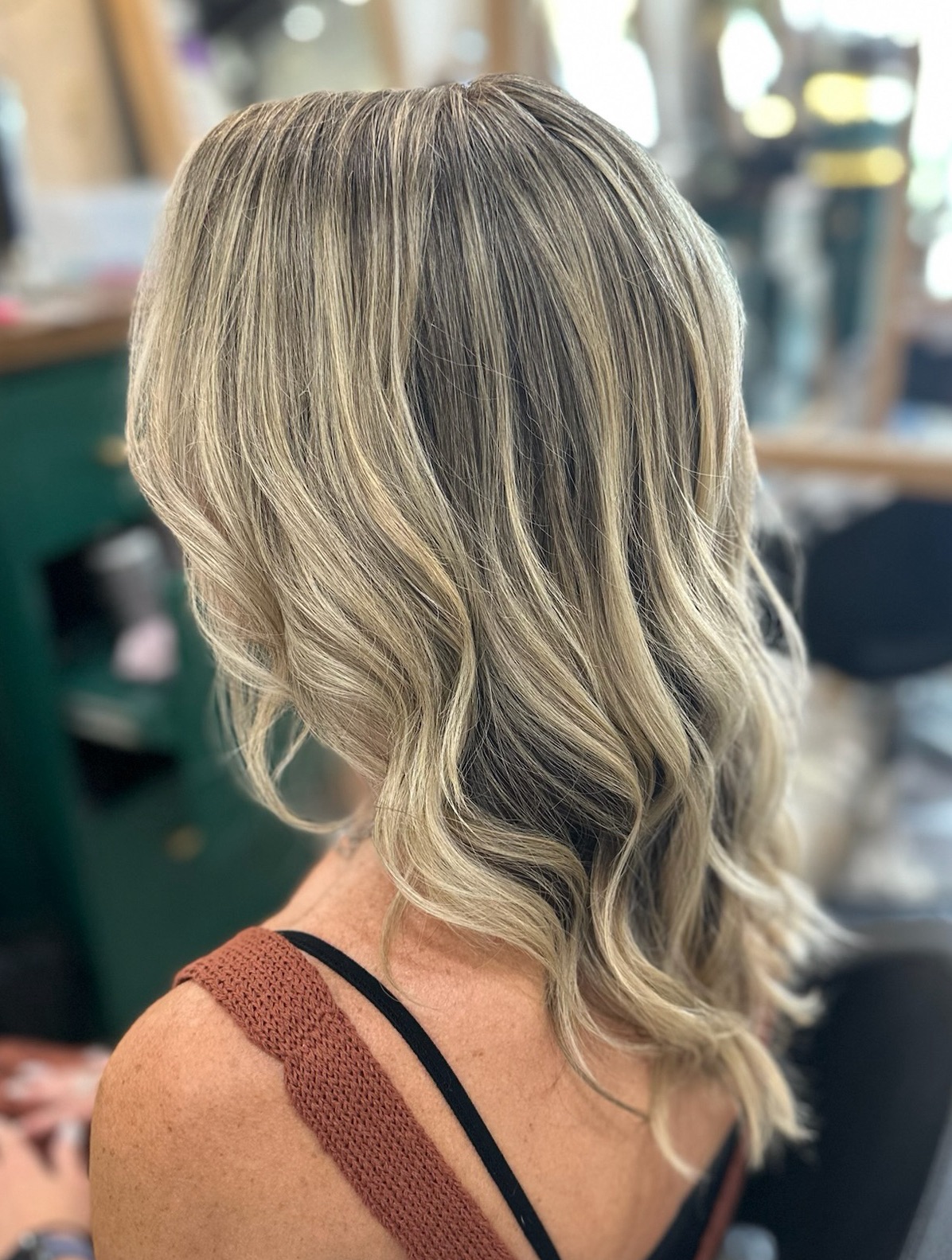
- Ombre-style balayage with darker roots and lighter ends emphasizes length and draws the eye down.
- Ask your stylist for color placement that boosts your cut and lifestyle especially for low-maintenance options.
5. Consult with Your Stylist
A talk with your colorist is essential:
- A good stylist will test your undertone (vein or jewelry method), discuss maintenance, and fit the shade to your haircut and everyday life.
- Ask about toning services post-balayage. It preserves cooler shades or refreshes your color between appointments.
- Be realistic. Bring inspiration pictures, but expect your stylist to adapt them to your unique features.
6. Seasonal Tweaks and Maintenance
Your skin tone subtly changes over the year and your balayage can adapt with it:
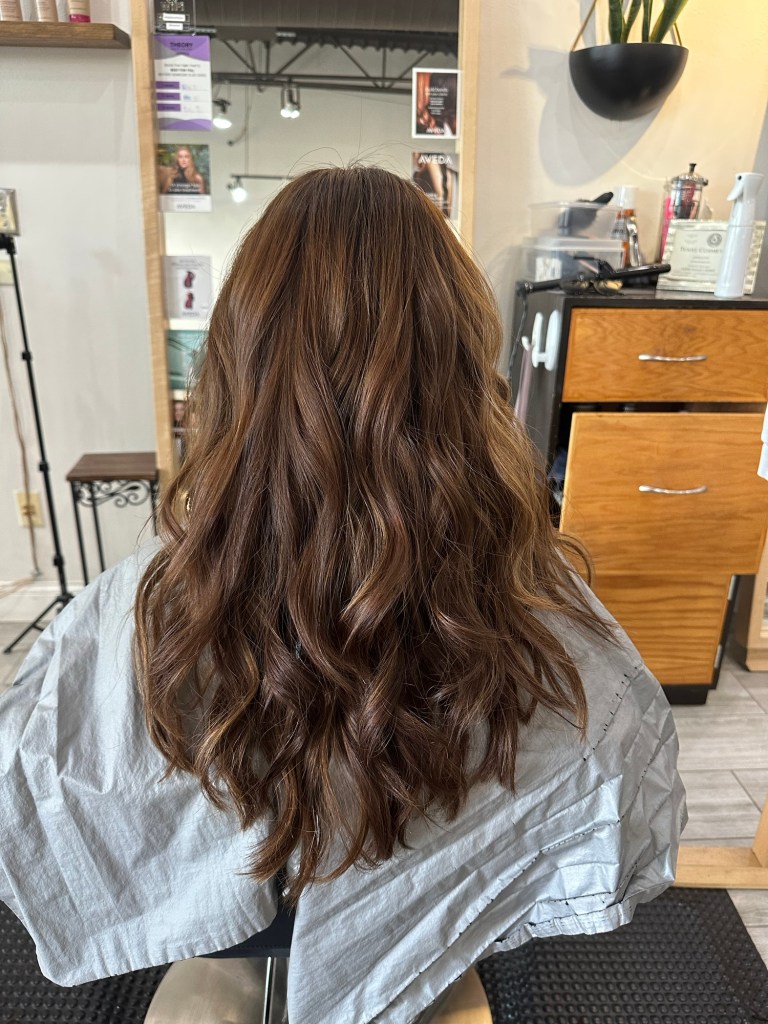
- Summer: Choose warmer shades like honey or golden blondes to deepen sun-kissed skin.
- Winter: Cool-toned balayage (ash, silver, beige) becomes more flattering on cooler skin tones.
- Keep color fresh with sulfate-free shampoos, UV protection, gloss treatments, and regular trims.
The perfect balayage shade is one that complements your undertone, suits your base color, and fits your lifestyle. Warm, cool, or neutral, there’s a shade out there that’s uniquely you. With careful shade selection, smart placement, and professional guidance, your balayage will look seamless, vibrant, and totally you.
Ready to see how your new balayage shade transforms your glow? Chat with your stylist and make your hair your masterpiece.
 Aveda Theory Hair Salon
Leave a comment