Balayage has become a go-to technique for creating natural, sun-kissed hair that’s low maintenance and long-lasting. However, it’s not foolproof! Even experienced stylists can fall into some common traps that lead to blotchy, uneven color or overly processed hair.
If you’re thinking about getting balayage—or you’ve had it done and weren’t thrilled with the results—here are some mistakes to avoid and tips on how to fix them.
Mistake #1: Over-saturating or Under-saturating the Hair
One of the most frequent issues with balayage is improper saturation. When the lightener isn’t applied evenly, it can result in patchy, splotchy highlights. Too much product can lead to harsh lines, while too little won’t give you the lift needed for that dreamy, blended look. The key is balance.
A good stylist knows to apply heavier product at the ends and gradually taper it off toward the roots for a smooth, gradient effect. If your balayage looks uneven, you may need a toner to correct the color or a reapplication of lightener in specific areas.
Mistake #2: Choosing the Wrong Color
Another common error is selecting a balayage color that doesn’t complement your natural hair. If your stylist picks a shade that’s too light or too dark, it can clash with your skin tone or natural hair, making the result look unnatural.
A good rule of thumb is to stay within two to three shades of your base color for a subtle, sun-kissed effect. If your balayage is too stark, toning down the highlights or adding lowlights can create a more balanced, harmonious look.

Mistake #3: Not Processing Long Enough
Many balayage mishaps occur when the hair isn’t left to process for the correct amount of time. Rushing through the process can leave the hair brassy or under-lifted.
If your balayage looks too warm or orange-toned, a violet or ash toner can help neutralize these hues. For severe cases, you may need to reapply lightener and let it sit longer.
Mistake #4: Over-Painting
Over-painting happens when a stylist applies too much lightener or touches up the balayage too frequently. This can lead to damage, loss of dimension, and an overly bleached appearance.
For a fresh but low-maintenance look, avoid reapplying balayage more than every six months. Instead, opt for subtle touch-ups around the hairline or face to maintain brightness.
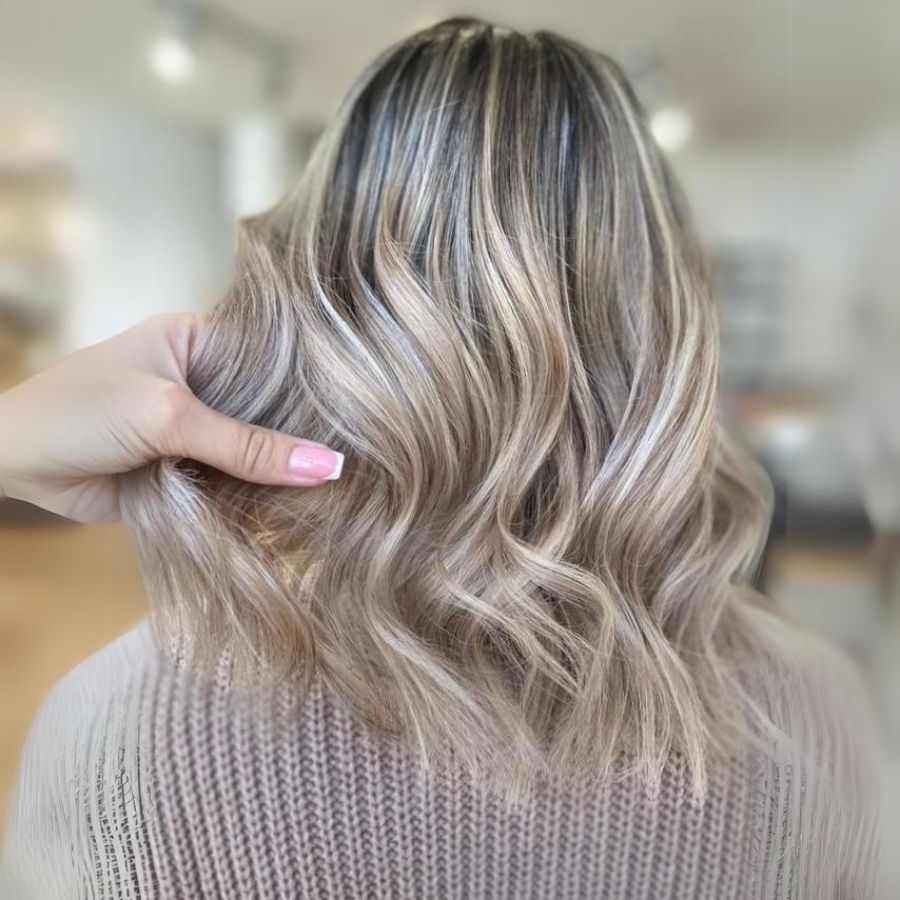
Mistake #5: Improper Tools
Using the wrong brush can also lead to a bad balayage. For the sweeping, freehand technique of balayage, a soft, tapered brush is essential to achieve precision and prevent harsh lines. If your stylist uses a stiff, outdated brush, the result might lack the soft, blended look balayage is famous for.
How to Fix a Bad Balayage
If your balayage didn’t turn out as expected, don’t panic! Here’s what can be done:
- Toning. Use a toner to neutralize brassy or overly warm tones. Cool-toned toners like violet or ash can help counteract orange and red undertones.
- Re-applying lightener. If the balayage is too orange or uneven, selectively reapplying lightener can help fix the blotchy areas.
- Adding lowlights. For overly bright balayage, adding lowlights can introduce more depth and dimension, toning down the overall look.
 Aveda Theory Hair Salon
Leave a comment